Basic First Aid Everyone Should Know.
Thank you for reading this post, don't forget to subscribe!Accidents and medical emergencies can happen unexpectedly at home, school, workplaces, or public places.
Basic first aid knowledge can help save lives, reduce injuries, and provide immediate care before professional medical help arrives.
First aid involves simple but effective actions taken to assist injured or ill individuals during emergencies.
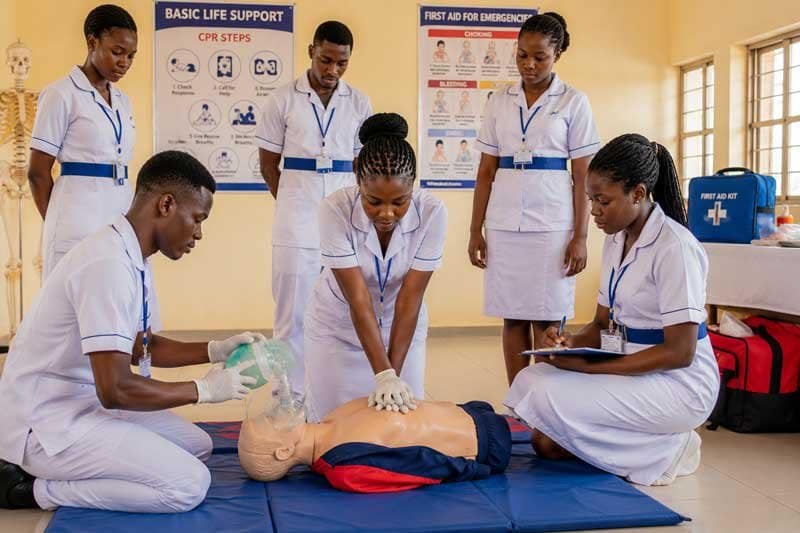
Importance of First Aid
Basic first aid helps to:
- Preserve life
- Prevent conditions from worsening
- Promote recovery
- Provide comfort and reassurance
Essential First Aid Skills
Managing Bleeding
Apply pressure with a clean cloth to help control bleeding.
Treating Burns
Cool burns under running water and avoid applying harmful substances.
Responding to Choking
Encourage coughing and seek emergency assistance if breathing becomes difficult.
Handling Fainting
Lay the person flat and ensure adequate airflow.
Caring for Fractures
Avoid unnecessary movement and seek medical care.
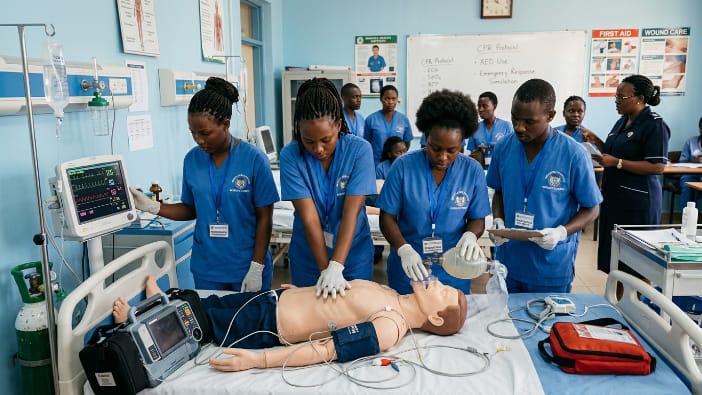
CPR Awareness
Cardiopulmonary resuscitation (CPR) can help during cardiac emergencies.
Important First Aid Supplies
A basic first aid kit should include:
- Bandages
- Gloves
- Antiseptics
- Gauze
- Scissors
- Adhesive tape
- Pain relievers
- Thermometer
What to Avoid During Emergencies
- Avoid panicking
- Do not give unknown medications
- Avoid moving severely injured individuals unnecessarily
- Seek professional help promptly
Importance of First Aid Education
Communities benefit when more people understand basic first aid procedures.
Schools and institutions can organize:
- First aid workshops
- Emergency response training
- Safety awareness programs
Basic first aid knowledge empowers individuals to respond confidently during emergencies and potentially save lives.
We at St. Pio College of Nursing Sciences encourage healthcare education that equips individuals with practical skills for improving community safety and well-being.
Basic First Aid Everyone Should Know.
THE END.